


What is the Syrian coast like? Green, mountainous and very different from the desert image most people have of Syria. The Mediterranean coast runs for about 190 km between Lebanon and Turkey, with the port cities of Latakia and Tartus, the island of Arwad, sandy beaches and forested mountains that stay cool in summer. It is where Syrians go on holiday, and in June 2026 the government opened the summer tourism season in Tartus. It is also a region that lived through deadly violence in March 2025. This guide covers the main places, how to combine them with Krak des Chevaliers, and what you should know before you go.
Planning a trip? Read our complete Syria travel guide, our honest answer to is Syria safe to visit? and meet our local guides in Syria.
The coast at a glance
| Main cities | Latakia in the north and Tartus in the south |
|---|---|
| Highlights | Arwad island, beaches, the mountains around Kasab, Slunfeh and Chalma, Krak des Chevaliers |
| Best time | May to October for the sea; spring and autumn for hiking |
| From Damascus | About three to four hours by road |
| Good to know | Summer is busy with Syrian families; book stays in advance |
Arwad, Syria’s only inhabited island
Arwad is a small island about 3 km off Tartus, and the only inhabited island on Syria’s coast. Boats cross from the Tartus harbor in a few minutes, and the trip is one of the classic days out on the coast.
The island was the Phoenician city of Aradus, a powerful sea-trading city in the ancient world. Today its tightly packed houses, fishing harbor and boatyards cover almost every meter of land, with a small fortress in the middle. Walk the lanes, watch the boat builders at work and stay for a seafood lunch by the water.

Tartus
Tartus is the southern port city of the coast and the departure point for Arwad. In the Middle Ages it was the Crusader town of Tortosa, and its Cathedral of Our Lady of Tortosa, a fortified Crusader church, later served as the city’s museum. Ask locally whether it is open when you visit.
The seafront promenade fills up on summer evenings, and the hills inland are dotted with villages such as Al Marah and the green valleys around Al-Qadmus, where Simsem hosts lead village days, hikes and camping trips.
Latakia and the beaches
Latakia is Syria’s main port and the largest city on the coast. It is the usual base for a beach holiday, with hotels, beach clubs and seafood restaurants along the shore, and boat trips and swimming in summer.
North of the city, Badrousiya Beach is one of the coast’s best-known stretches of sand. Near Latakia are two famous historic sites: Ugarit, the Bronze Age city where one of the world’s earliest alphabets was found, and the Castle of Saladin, a UNESCO-listed fortress on a ridge in the forest. Check with your guide whether both are open before you plan the day.
The coastal mountains
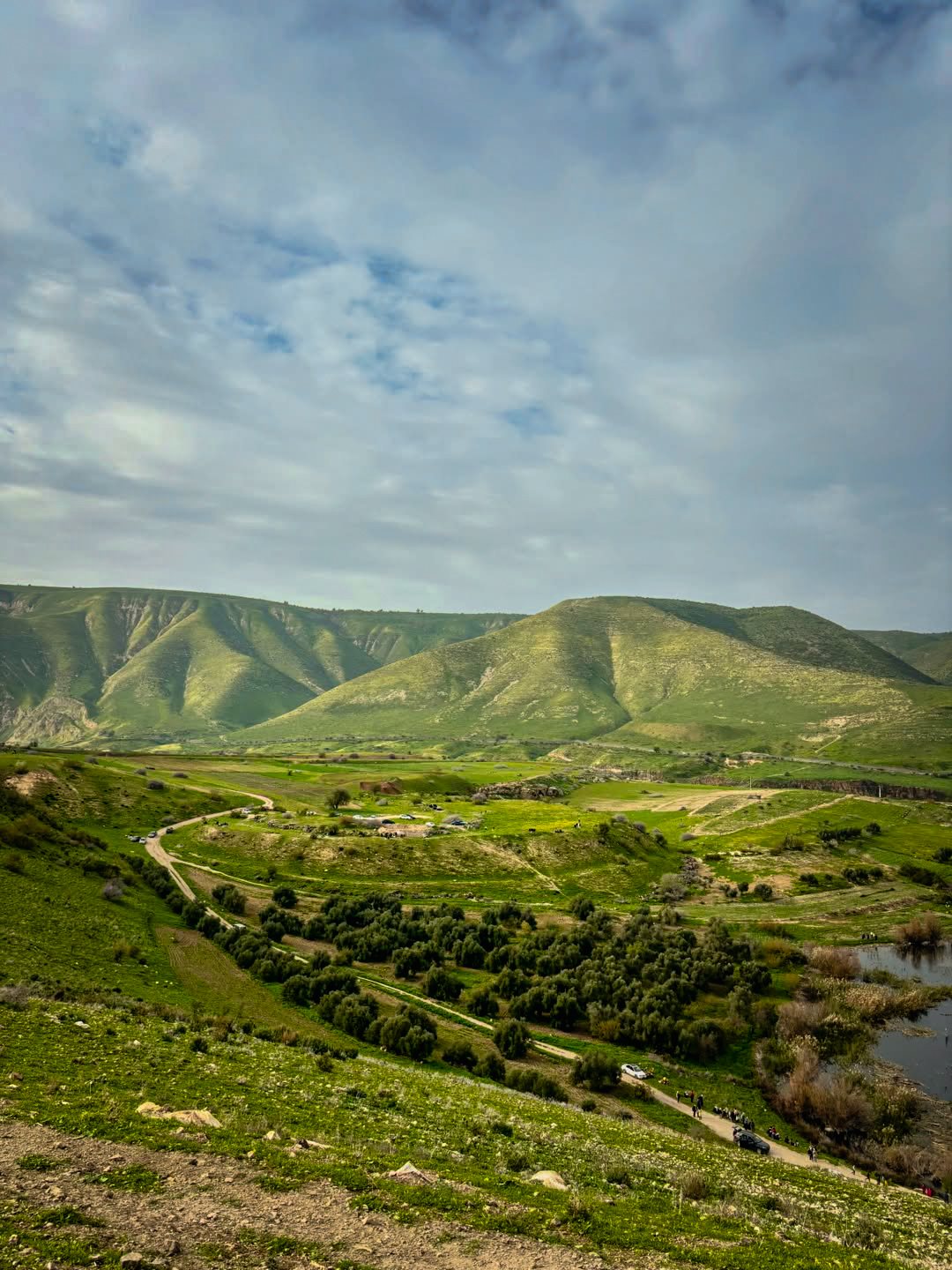
Behind the coast, the mountains rise quickly, covered in pine forest and much cooler than the shore in summer. Kasab in the far north and Slunfeh above Latakia are traditional summer escapes, with cafés, viewpoints and walks.
Chalma is one of the area’s best-known peaks for hiking and sunsets over the sea, and Simsem hosts run overnight camping trips there. Spring brings green hills and wildflowers across the whole region.
Krak des Chevaliers
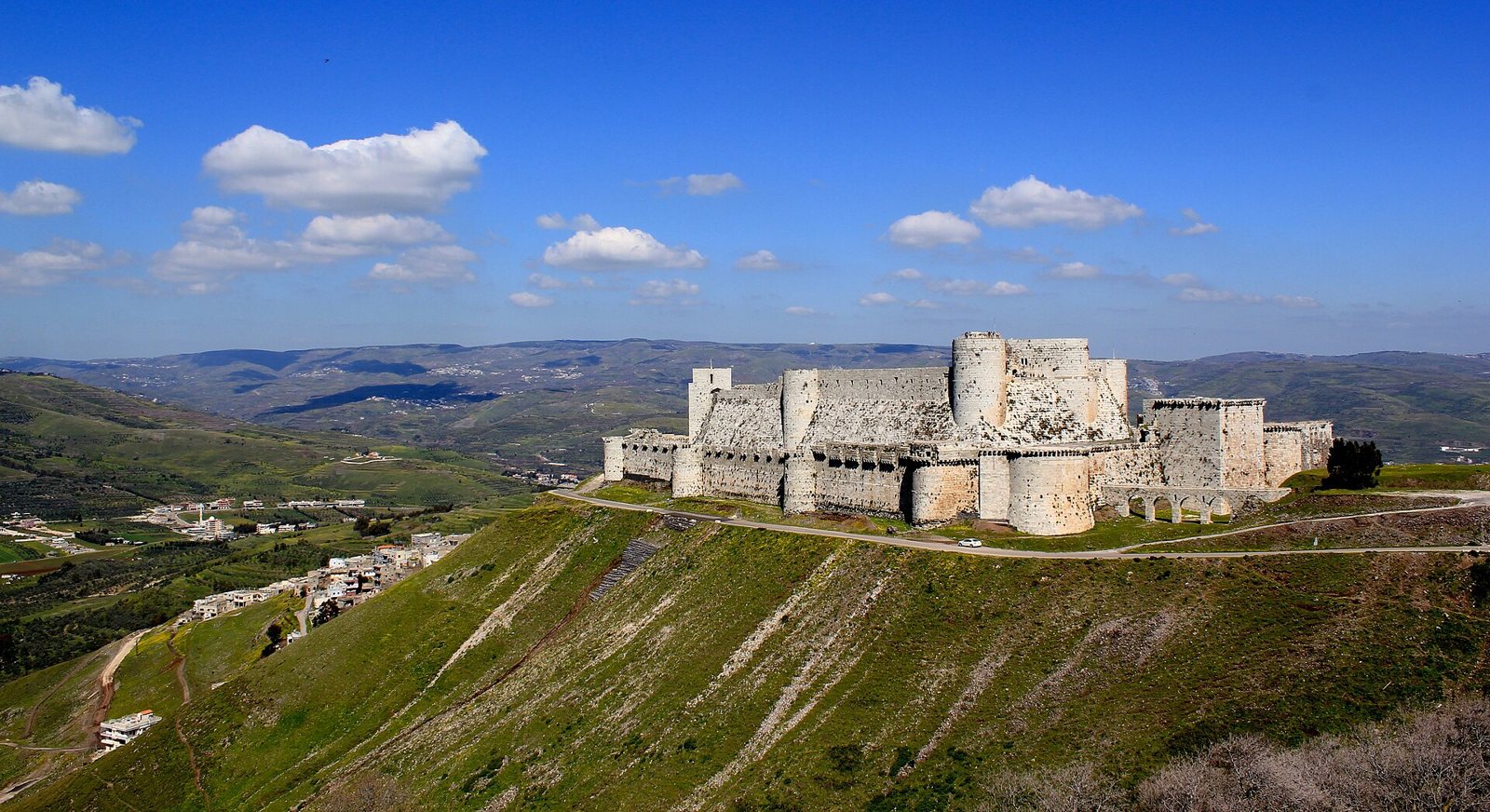
Krak des Chevaliers is the most famous Crusader castle in the world and an easy addition to a coast trip. It stands on a hilltop in the Homs Gap, the pass between the coast and the interior, about an hour inland from Tartus.
The castle was rebuilt by the Knights Hospitaller in the 12th and 13th centuries, and its concentric walls, towers and great hall are remarkably complete. Together with the Castle of Saladin, it forms a UNESCO World Heritage Site, inscribed in 2006. It was damaged during the war, and visitors and tour groups go there again today; go early to enjoy it before the heat and the groups.
The coast since March 2025
Visitors should know that the coast went through one of the darkest episodes of the post-Assad transition. In March 2025, after attacks on government forces by loyalists of the former regime, waves of violence swept through Alawite-majority areas of Latakia and Tartus provinces. A UN commission of inquiry later counted about 1,400 people killed, most of them civilians, and found that some acts likely amounted to war crimes.
The coast has been calmer since, and the government opened the 2026 summer tourism season in Tartus. But the region’s communities are still recovering, and Western governments advise against all travel to Syria. Travel with a local guide who follows the situation, be respectful in conversations about the past, and read our Syria safety guide before you go.
How to plan a coast trip
Three to five days is enough for a first look at the coast. A simple plan looks like this:
- Day 1: drive from Damascus via Krak des Chevaliers to Tartus.
- Day 2: boat to Arwad, seafood lunch, sunset on the Tartus seafront.
- Day 3: up to Latakia; beach afternoon.
- Day 4: the mountains: Slunfeh, Kasab or a hike on Chalma.
- Day 5: back to Damascus.
Bring cash in US dollars, book hotels by phone or through your guide, and expect checkpoints on the main roads.
Travel with a local guide
Simsem’s hosts on the coast lead camping trips, mountain hikes and village days:

Syria Heritage & Mountains Tour: Damascus, Maaloula & Krak des Chevaliers (3 Days)
Three days with a local guide from Damascus and Maaloula to Krak des Chevaliers and the mountains.

Syria 4 Day Camping Tour: Badrousiya Beach, Chalma Mountain & Mashqita Lake
Four days of camping on the Syrian coast: Badrousiya Beach, Chalma Mountain and the Latakia countryside.

Chalma Peaks Escape: Summit, Sunset & Camping in Latakia, Syria
Two days in the Latakia mountains: a summit hike, sunset over the coast and a night of camping.

Qadmous Escape: Mountains, Valleys & Waterfalls in Syria
Three days of mountains, valleys and waterfalls around Qadmous in the hills behind the coast.

Al Marah Village Experience: Authentic Syrian Village Day Trip
A day in Al Marah, a village in the hills near Tartus, with a local host.
See every host and tour on our local guides in Syria page.
FAQ
Does Syria have beaches?
Yes. Syria has about 190 km of Mediterranean coast between Lebanon and Turkey, with beaches around Latakia, such as Badrousiya, and near Tartus.
How do you get to Arwad island?
By boat from the harbor in Tartus. The crossing to the island, about 3 km offshore, takes only a few minutes.
What is the best time to visit the Syrian coast?
May to October for swimming and beaches, and spring or autumn for hiking in the coastal mountains.
How far is Krak des Chevaliers from Tartus?
About an hour by road. The castle stands in the Homs Gap between the coast and the interior and is often visited on the way from Damascus to the coast.
Is the Syrian coast safe?
The coast has been calmer since the violence of March 2025, and tourism has restarted, but Western governments advise against all travel to Syria. Travel with a local guide and check current advice.
What happened on the Syrian coast in 2025?
In March 2025, violence swept through Alawite-majority areas of Latakia and Tartus provinces. A UN commission counted about 1,400 people killed, mostly civilians.
Sources
- UNESCO World Heritage Centre — Crac des Chevaliers and Qal’at Salah El-Din
- FTN News — Syria opens its 2026 summer tourism season on the Mediterranean coast
- Al Jazeera — UN commission on the 2025 coastal violence (August 14, 2025)
- Travel 963 — Syria coast itinerary (October 2026)
- UK Foreign, Commonwealth & Development Office — Syria travel advice
- Wikimedia Commons — photographs credited in each caption


